Marketing Attribution
Marketing attribution that ties every marketing dollar to revenue
Most businesses can’t say which marketing produced which sale, because GA4, the CRM and each ad platform report on a different part of the journey. We connect them into one measured picture, from the first click through to offline revenue, so you can decide where the next dollar goes with confidence.
Trusted by
















Why marketing attribution breaks, and what fixes it
Attribution rarely fails because of one big mistake. It fails in small gaps that add up. A GA4 property that tracks pageviews but not the events that matter. A cookie that disappears before the sale. A phone call or a showroom visit that never reaches your reports. A CRM that closes deals without knowing which campaign started them.
Each tool then tells its own story. Ad platforms credit themselves. GA4 credits the last click. Finance counts revenue the marketing team never sees. Budgets get set on the wrong numbers, and the channels doing the early work get cut.
Fixing it is a sequence, and the order matters. First, the measurement foundation: GA4 audited and configured properly. Second, first-party data that you own and can use. Third, revenue attribution that follows a lead into your CRM, your till or your phone line. Fourth, reporting that shows all of it in one place. That sequence is a performance loop, and it runs on Labs, our client intelligence platform.
Get StartedWhy connected data pays back
GA4 audit and set-up
GA4 audit and development you can trust
A GA4 property can be live and still be wrong. We audit what you have: how events fire, whether conversions reflect your business, what the data layer passes through, and where the numbers disagree with your CRM or ad platforms. Then we build it properly.
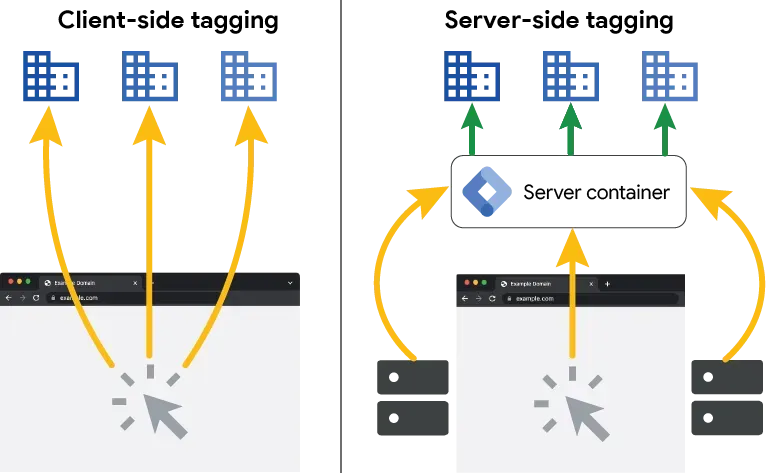
As GA4 moves to event-based tracking, the precision of every interaction matters. We implement a data layer through Google Tag Manager so the data you collect is richer and more accurate, including visitor and app data. Server-side Google Tag Manager is available where you want a full server-side set-up, asynchronous tag loading to keep your site fast, and built-in debugging tools for testing.
The set-up covers event and goal tracking, site search reporting, custom dimensions for the data points unique to your business (membership levels, say, or specific customer behaviours), conversion path analysis to visualise your funnel, and ecommerce reporting. GA4 connects to Google Ads and to BigQuery, so the data works for you beyond the GA4 interface. Reporting is built for the people who read it: live dashboards, separate reports for different departments, and Looker Studio or Power BI integrations. Our HubSpot vs GA4 comparison and our guide to why use BigQuery for your GA4 go deeper.
If you saved your Universal Analytics history before Google's 1 July 2024 deadline, we can align it with your GA4 reporting.

First-party data strategy
First-party data strategy for a privacy-first market
Third-party cookies are tapering off and privacy regulation keeps tightening. First-party data, collected directly from your customers' interactions with you, is the sustainable and compliant base for measurement and targeting. It reflects what people actually do, without third-party distortion, so it is the freshest read on customer behaviour you can get.
We start by evaluating your data sources and marketing stack: what you collect, how good it is and where the gaps sit. Then we design a privacy-first collection method, connect it to your marketing platforms and keep it aligned with evolving regulations. With GA4 integration you get a unified view of each user journey and segments built from real behaviour, which means more relevant campaigns and a smoother customer experience. Audience insights drawn from real behaviours, preferences and needs let you personalise campaigns with more accuracy, which supports engagement and conversion. Direct customer feedback sits in the same data and shapes your products and service as well as your ads. Read how Google's first-party data solution for Analytics users fits in.
Want to know where you stand? Our Digital Marketing Maturity Assessment is a short, five-minute survey that benchmarks you against Google's digital measurements.

Revenue attribution
Revenue attribution: connect offline sales to digital marketing
For most businesses the sale does not happen on the website. It happens on a phone call, in a showroom, at a point-of-sale terminal or inside a CRM after a salesperson follows up. Click-based reporting cannot see any of that, so it undersells the channels that started the journey.
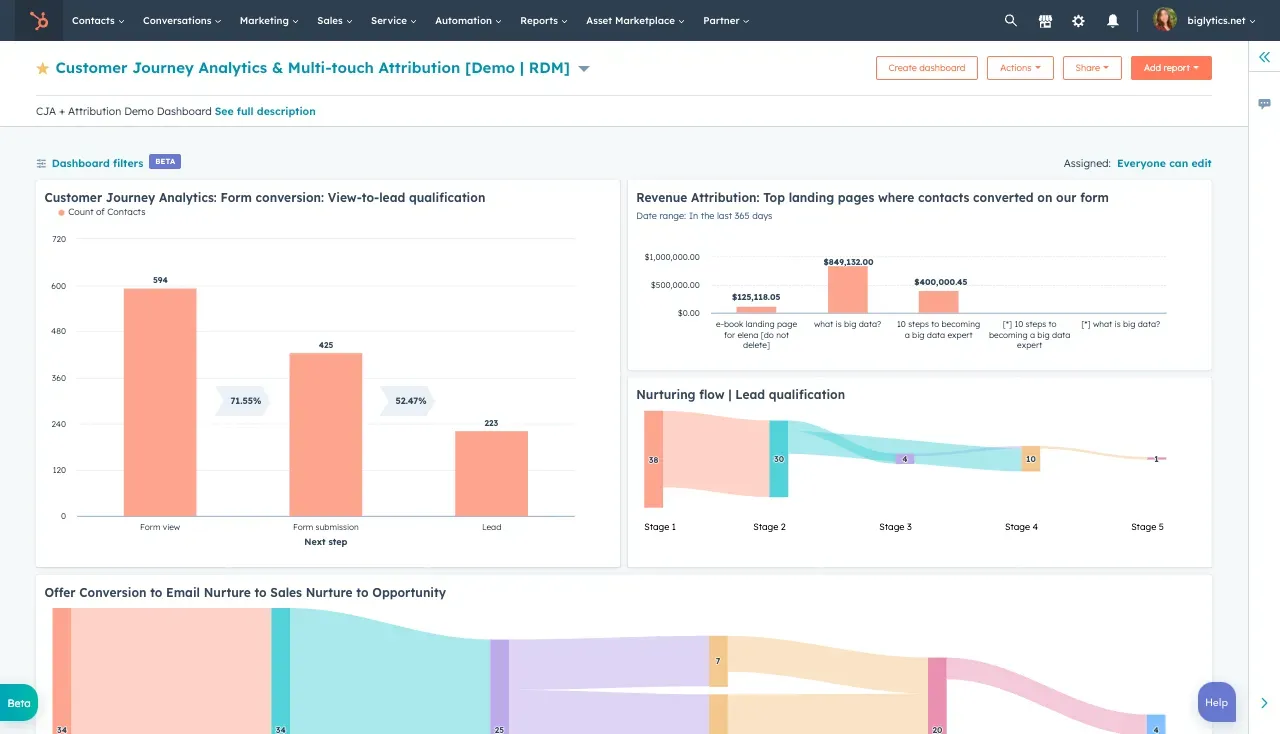
We close the gap. Using custom data warehouses, we attribute your campaigns to sales even when those sales happen offline. The method depends on your business: CRM integration, unique identifiers, call tracking and point-of-sale integration, with the Measurement Protocol API where GA4 needs offline events fed back in. As a HubSpot Partner, we also use HubSpot's attribution features, with custom reporting and integrations on top. Where the CRM is the weak link, our CRM development work fixes it.
Two worked examples follow below. At Arcare, connecting offline sales to digital marketing lifted attribution by 80% and revenue attribution by 30%. Ainslie Bullion's marketing stack audit and attribution model reported +150% real platform CPAs and 100% real revenue attribution. Then comes the model. Multi-touch attribution shares credit across every touchpoint that contributed to a conversion. Linear gives each touchpoint equal credit. Time decay gives more to the touchpoints closest to the conversion. Position-based gives most of the credit to the first and last touches and spreads the rest across the middle. Which one suits you depends on how your customers buy, so we map the customer journey first. Customer journey mapping pinpoints each touchpoint so you can see the whole customer experience and line your marketing up with your audience. Real-time dashboards then pull the results together, so you respond to trends as they happen, not at the end of the quarter.
Product feeds as a channel
Product feeds: put every product where buyers shop
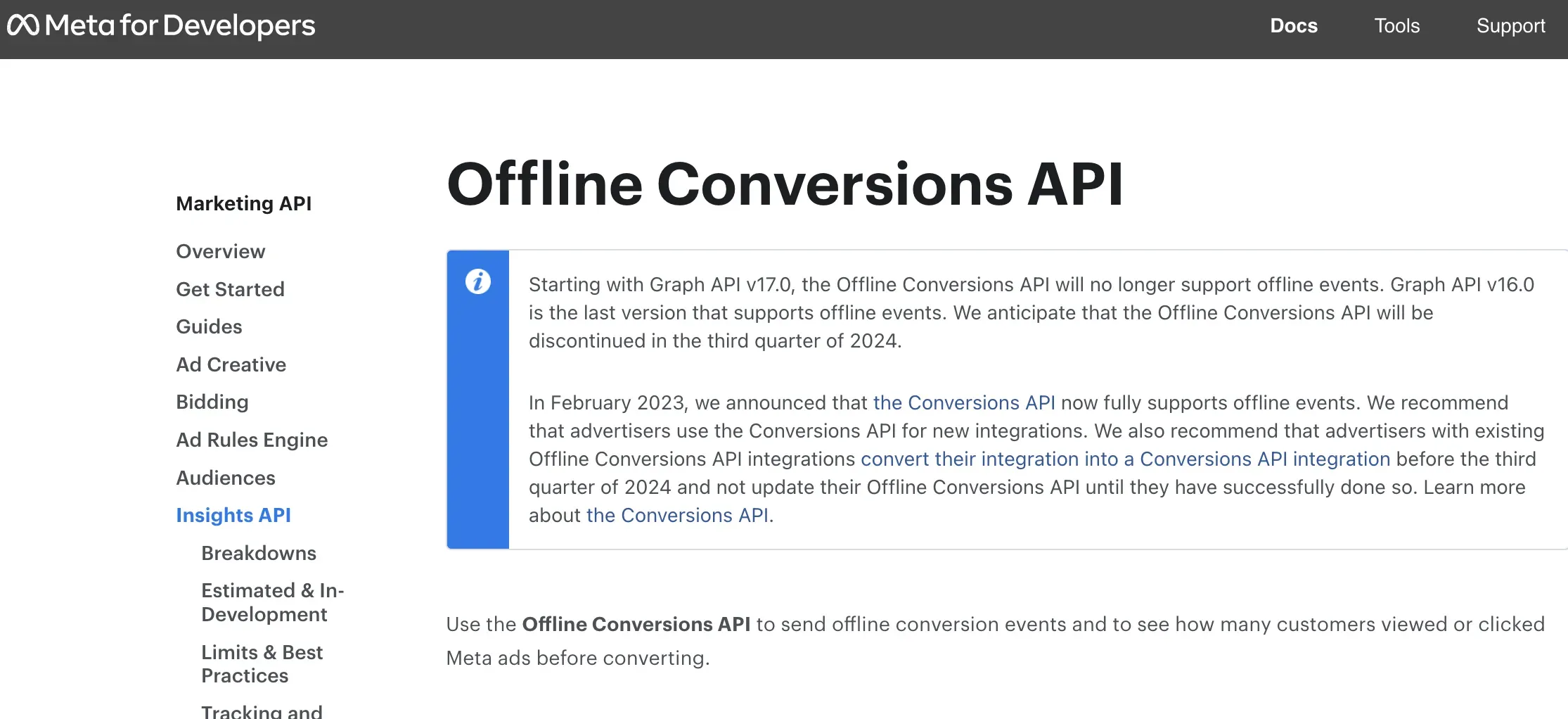
For ecommerce, the product feed is a channel in its own right. We build your feeds from your store, so a change to price, stock or description replicates across every channel without anyone retyping listings: Google Shopping, Meta, eBay, Amazon, Etsy and more.
Dynamic ads update from your revenue data. We stop products that do not perform and manage bids automatically on the ones with a strong return on ad spend. Because feed results sit in the same attribution reporting, you see which products and channels earn revenue, not just clicks.
The performance loop
Measurement is the start. Labs keeps the loop running.
Attribution only pays when someone acts on it every week, not once a year. That is the performance loop: measure, review, improve, repeat. Labs is BFJ's client intelligence platform. Each night it reads your accounts across your platforms, surfaces what has changed, works out what the pattern means and flags what to act on, sequenced by commercial impact. A senior BFJ team member reviews every output before it reaches you. You get a decision, not a data dump.
Labs connects spend, performance, pipeline, call tracking and revenue into one view, framed in revenue and margin rather than impressions and clicks. It runs onshore in Australia. And it is honest about its limits: if tracking is broken, first-party data is thin or GA4 is misconfigured, Labs cannot produce reliable intelligence. That is why the GA4 audit, first-party data strategy and clean event tracking come first.
After launch, a quarterly commercial review ties the intelligence back to revenue and margin. That is where compounding results become visible. Labs is part of every BFJ retainer, not a separate product. Read more in how AI changes reporting, attribution and media modelling.

The attribution stack, as we build it
 CollectCapture every interaction
- GA4 audit and development
- Google Tag Manager data layer
- Server-side Google Tag Manager
- Event and goal tracking, custom dimensions
 ConnectJoin online to offline
- CRM integration
- Unique identifiers and call tracking
- Point-of-sale integration
- BigQuery and custom data warehouses
- Measurement Protocol API
 ReportSee it live
- Live dashboards for every department
- Looker Studio and Power BI integrations
- Multi-touch attribution models
- Customer journey mapping
BFJ Digital vs other marketing attribution options
| Benefits |  | In-House Marketing Team | Single Channel Specialists |
|---|---|---|---|
| Omnichannel Approach | |||
| CRM Integration | |||
| Multi-touch Attribution | |||
| Offline Conversion Tracking | |||
| Customer Journey Mapping |
How our attribution work runs
Listen
We start with your business and its conversion points: what counts as a result, where it happens and which reporting objectives matter to the people who sign off budget.
Audit and plan
We audit GA4, your data sources and your marketing stack, then design the strategy that fixes the gaps.
Build
Once you approve, we build the GA4 set-up, tracking, CRM links and data warehouse connections.
Monitor
We check the set-up works as it should and connect the live data.
Report and improve
Live dashboards show which campaigns generated your sales, including the offline ones. Labs reads the data nightly and a quarterly commercial review ties it to revenue and margin.

Arcare: offline sales traced back to digital marketing
“BFJ Digital managed Arcare's digital marketing for many years and continue to improve our presence online, even through Covid. Their ability to deliver technically advanced solutions normally applied for enterprise level business means we're punching well above our weight. SEM, SEO, their Salesforce integration solution is enabling revenue reporting, even though our transactions occur offline. Their responsiveness, and down to earth nature makes them a pleasure to work with, it's no surprise they're growing so quickly.”

Ainslie Bullion: a marketing stack audit and real revenue attribution
“We recently moved all of our businesses to BFJ. The growth in the quality and performance of all metrics across the digital media / SEO spectrum has been nothing short of spectacular. Their diligence, strategy and tenacity in repairing legacy social platform issues too has been excellent. Clear communication of strategy and reporting of outcomes allow us to understand our spend and success of campaigns through them. Highly recommend.”
5-Star Service Is How We've Grown So Quickly
Working with BFJ has been a game-changer for us. Their WordPress build doubled our website traffic, directly leading to a doubling of conversions. Their team's communication made the process as seamless as possible. Highly recommended!
Mike SmithLutheran Services, CTO We recently moved all of our businesses to BFJ. The growth in the quality and performance of all metrics across the digital media / SEO spectrum has been nothing short of spectacular. Their diligence, strategy and tenacity in repairing legacy social platform issues too has been excellent. Clear communication of strategy and reporting of outcomes allow us to understand our spend and success of campaigns through them. Highly recommend.
PaulAinslie Bullion, Director BFJ has been a trusted and valued partner of Better Medical and SmartClinics for many years. They are results-oriented and provide a range of digital marketing services each month, including SEO, website management, content production, digital advertising, and much more! They are experts in the field, and deliver consistently outstanding service. Thanks, team!
BriarCMO, Better Medical Everyone at BFJ has always been so fantastic at helping out with my digital marketing and digital advertising needs. They also have done an excellent job with website development. I can't recommend them highly enough
JacksenManager, Hyundai We have had the pleasure of partnering with BFJ Digital for several years as our digital marketing agency, and the results have been nothing short of outstanding. We wholeheartedly recommend BFJ Digital to any business seeking a strategic and effective digital marketing partner. The team really knows their stuff!
KatManager, Henzells Agency I have worked with Ben and the team at BFJ DIGITAL for over 8 years on various clients and projects. They focus on getting a really decent understanding first so they can get better outcomes both online and offline that are commercially relevant. Great to work with - responsive, high attention to detail and fun!
CatherineOwner, CMK Ink
Marketing Attribution FAQs
What is marketing attribution?
Marketing attribution is how you work out which marketing activity produced which sale. It connects your ad platforms, website analytics and CRM so credit for a conversion goes to the touchpoints that earned it, rather than to whichever platform reports it loudest.
What does a GA4 audit involve?
We review how events and conversions are configured, what the Google Tag Manager data layer passes through, how custom dimensions are set up, and where GA4 disagrees with your CRM or ad platforms. You get a clear list of what to fix, and we can build the fixes: event and goal tracking, site search reporting, server-side tagging and BigQuery connections.
What is revenue attribution, and can you track offline sales?
Revenue attribution links campaigns to the revenue they generated, including sales that happen by phone, in store or through a sales team. We do it with CRM integration, unique identifiers, call tracking and point-of-sale integration, feeding results into custom data warehouses and live dashboards.
How is attribution different from GA4 reporting?
GA4 reports behaviour on your website and apps. Attribution joins that to your ad platforms, call tracking and CRM so you can see revenue by campaign, including offline sales. GA4 is one input to attribution, not the whole answer, which is why we audit it first.
Can you connect HubSpot or Salesforce to attribution reporting?
Yes. As a HubSpot Partner we use HubSpot's attribution features with custom reporting and integrations on top. For Arcare we built a Salesforce integration that enabled revenue reporting on transactions that happen offline.
Which attribution model is right for my business?
It depends on how your customers buy. Linear gives each touchpoint equal credit. Time decay gives more to touchpoints closer to the conversion. Position-based gives most credit to the first and last touches. We map your customer journey first, then choose the model that fits it.
What is a first-party data strategy, and why does it matter now?
A first-party data strategy is a plan for collecting, using and protecting data your customers share directly with you. With third-party cookies tapering off and privacy rules tightening, it is the compliant base for measurement and targeting. We evaluate your sources, design privacy-first collection and connect it to your marketing.
Do you manage product feeds for ecommerce?
Yes. We build feeds from your store so product changes replicate across channels such as Google Shopping, Meta, eBay, Amazon and Etsy. We stop products that do not perform and manage bids on the ones that return well.
What happened to Universal Analytics data?
Google's deadline for Universal Analytics data was 1 July 2024. If you saved your history before then, we can align it with your GA4 reporting so you keep the long-term view.
Do I pay extra for Labs?
No. Labs is the intelligence layer underneath BFJ's retainer work, not an optional upgrade. It reads your accounts across platforms each night, and a senior team member reviews every output before it reaches you.
Which of your marketing dollars can you actually trace to revenue?
Tell us where your data stands today and we will show you where the gaps are and what to fix first. Bring your GA4 access and your CRM details, then book a call.
- Meet with a strategy specialist to build a growth plan
- We cut to the chase. What digital marketing is actually working?
- Brisbane-based, HubSpot Partner and Google Premier Partner
- GA4, first-party data and offline attribution in one plan